

When a large commercial truck, bus, or other heavy vehicle becomes disabled, moving it safely requires appropriate equipment, careful planning, and an understanding of the vehicle's size and weight. A breakdown can interrupt deliveries, delay field operations, and create challenges for drivers working across West Texas. Blue Star Towing helps drivers and businesses assess heavy-vehicle towing requirements and determine the appropriate transportation solution based on the vehicle, its condition, and its location.
If a heavy vehicle cannot continue safely, Heavy Duty Towing Odessa, TX services can help arrange transportation to a repair facility, commercial property, or another suitable destination. Heavy towing is different from ordinary vehicle towing because axle configuration, loaded weight, vehicle dimensions, and recovery conditions can significantly affect the job.
For drivers and businesses seeking a dependable Towing Service in Odessa, TX, Blue Star Towing serves Odessa, Midland, Kermit, and surrounding Permian Basin communities. Contact the team to explain your vehicle's condition, pickup location, and destination so the appropriate service can be assessed.
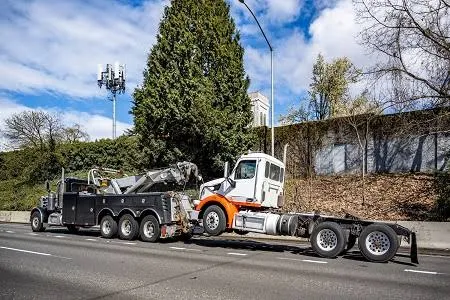
Professional Heavy Duty Towing in Odessa, TX
Heavy-duty towing is intended for large or heavy vehicles that exceed the practical capacity of standard light-duty and many medium-duty towing setups. Depending on the vehicle and job requirements, this category can involve commercial trucks, buses, large work vehicles, and heavy truck-and-trailer combinations.
The correct towing arrangement depends on more than the vehicle's appearance. A truck carrying cargo may have substantially different requirements from the same vehicle when empty. Damaged wheels, restricted steering, an attached trailer, or limited access can also affect how the vehicle needs to be moved.
For Heavy Duty Towing Odessa, TX, provide the vehicle type, approximate weight if known, load information, and details about its current condition. These details help the towing provider determine whether the available equipment is appropriate and what additional arrangements may be necessary.
When Do You Need Heavy-Duty Towing?
Large vehicles can become disabled for many reasons. Recognizing when professional transportation is necessary helps drivers avoid attempting to move a vehicle that may be unsafe to operate.
Commercial Truck Breakdowns
Commercial trucks work long hours transporting supplies, equipment, and goods. Engine trouble, transmission failure, overheating, or another mechanical problem can leave a truck unable to continue its journey.
Continuing to drive a seriously damaged vehicle can worsen the problem or create a road hazard. When a truck cannot operate safely, heavy-duty towing may provide a practical way to transport it to a repair facility or another suitable location.
When requesting assistance, explain whether the truck starts, whether its wheels can roll, and whether it is carrying a load. This information helps establish the requirements for the job.
Tractor-Trailer and Large Truck Transportation
Large truck-and-trailer combinations can require specialized towing capacity because of their combined weight and overall dimensions. The condition of the tractor, trailer, tires, axles, and connecting equipment can influence how the vehicle should be moved.
Provide details about both the truck and trailer when arranging service. If the trailer is loaded, detached, or damaged, mention this before the job is assessed. The towing provider can determine what equipment and handling arrangements may be required.
Bus and Large Passenger Vehicle Towing
A disabled bus or other large passenger vehicle can create a significant disruption, particularly when it is carrying passengers or blocking access to a road or facility. The first priority is to ensure people can move to a safe location, following applicable safety procedures.
Once the area is safe, the vehicle's size, weight, condition, and location help determine the appropriate towing solution. Heavy-duty equipment may be necessary when the vehicle cannot be moved using a standard towing setup.
Heavy Work Vehicle Failures
Large work vehicles may support construction, commercial transportation, industrial operations, or other demanding activities. A mechanical failure can prevent the vehicle from reaching its next job or returning to its operating base.
Before arranging towing, explain the vehicle's purpose, approximate size, and any installed equipment that affects its weight. These details are particularly important when a vehicle has been modified or carries additional materials.
Collision-Damaged Heavy Vehicles
After a collision, a large truck may have damage that affects its wheels, steering, suspension, or frame. Even if the engine still runs, the vehicle may not be safe to drive.
In these circumstances, arrange appropriate assistance instead of attempting to move the vehicle under its own power. For accident-related towing information, visit the accident towing service page.
Heavy Duty Towing for Odessa's Commercial and Industrial Traffic
Odessa is an important part of the Permian Basin, where commercial vehicles support transportation, construction, equipment movement, and field-related work. When a heavy vehicle becomes disabled, the towing requirements may be more complex than those for an ordinary passenger car.
A truck may be positioned on a busy road, inside a commercial yard, at a worksite, or near an industrial property. Each location can present different access and safety considerations. Providing an accurate pickup location and explaining the surrounding conditions helps the towing provider evaluate the job.
Drivers who need Heavy Duty Towing Odessa, TX should share the vehicle's approximate dimensions, load, and destination when requesting service. If the vehicle is blocking traffic or creating an immediate hazard, prioritize personal safety and contact the appropriate emergency authorities where necessary.
Heavy Duty Towing Across Odessa, Midland, and Kermit
The location of a disabled heavy vehicle affects service planning. Long distances, road access, traffic, vehicle condition, and the equipment required may all influence the arrangements.
Odessa, TX
Odessa is a central service area for commercial drivers and businesses operating heavy vehicles. A truck breakdown can disrupt deliveries, delay scheduled work, or leave a vehicle unable to return to its operating location.
When requesting heavy-duty assistance in Odessa, provide the nearest intersection, road name, business entrance, or recognizable landmark. Explain whether the truck is loaded and whether a trailer is attached.
Midland, TX
Heavy vehicles traveling between Odessa and Midland, TX may encounter mechanical issues during commercial journeys. If a truck becomes disabled, share the exact location rather than relying only on the city name.
The vehicle's direction of travel, accessibility, condition, and destination can help the towing provider understand the job. Confirm availability and the expected service arrangements when making the request.
Kermit, TX
Drivers and businesses in Kermit may also need assistance when a large vehicle cannot be driven safely. Describe the vehicle type, any attached trailer, and whether it is carrying cargo. If the vehicle is located inside a private or industrial property, explain any access restrictions.
Surrounding Permian Basin Communities
Blue Star Towing lists Odessa, Midland, Kermit, and surrounding Permian Basin communities among its service areas. Availability for locations farther away depends on the specific pickup point, job requirements, and current workload. Contact the company to confirm whether your location can be accommodated.
What Affects a Heavy-Duty Towing Job?
Every heavy-vehicle towing request is different. Understanding the factors that affect the job can help drivers and fleet managers provide useful information before dispatch.
Vehicle weight and dimensions: The vehicle's actual weight, height, width, and length help determine the equipment required.
Cargo and trailer configuration: Loaded trucks and attached trailers can change the overall weight and handling requirements.
Mechanical condition: A vehicle that can roll and steer may require a different approach from one with damaged axles, locked wheels, or significant collision damage.
Pickup location: Narrow access roads, low clearances, uneven ground, restricted entrances, and nearby traffic can affect how the vehicle can be approached.
Transportation distance: The destination and distance may influence the service estimate and arrangements.
Recovery requirements: A vehicle that is stuck, overturned, or severely damaged may require a more complex recovery operation rather than a straightforward tow.
Provide accurate information about these factors when requesting Heavy Duty Towing Odessa, TX. Never assume a vehicle can be moved safely just because another truck of similar appearance was towed using a standard setup.
How to Prepare for Heavy-Duty Towing
Taking a few practical steps before the tow can help make the process more organized.
- Move to a safe location if possible. Stay clear of moving traffic and follow the instructions of emergency personnel.
- Identify the vehicle. Provide its make, model, type, and approximate weight if available.
- Explain the problem. Describe the breakdown, collision damage, or other reason the vehicle cannot continue.
- Describe the load. Mention cargo, attached trailers, installed equipment, or unusual dimensions.
- Share the exact location. Provide the address, road name, nearest intersection, and useful access instructions.
- Confirm the destination. Identify the repair facility, commercial property, or other location where the vehicle should be transported.
- Discuss pricing and requirements. Ask about the estimated charges, distance, special equipment, and any additional recovery work before confirming the service.
If a vehicle is blocking a roadway or creating an immediate hazard, do not attempt an unsafe recovery yourself. Follow appropriate safety procedures and seek assistance from the relevant authorities when needed.
Heavy-Duty vs. Medium-Duty and Light-Duty Towing
Choosing the correct towing category helps match the vehicle with suitable equipment.
Light-duty towing generally covers passenger cars, SUVs, and many standard pickup trucks. For smaller vehicles, visit the Light Towing service page.
Medium-duty towing can accommodate selected work trucks, delivery vans, certain trailer combinations, and qualifying commercial equipment, depending on their weight and configuration. More information is available on the Medium Towing page.
Heavy-duty towing is intended for larger vehicles and combinations that exceed the capacity of lighter towing setups. Actual requirements depend on the vehicle's weight, dimensions, condition, and recovery needs.
If you are unsure which category applies, provide the vehicle details when contacting the towing provider. The appropriate service should be determined by the job requirements, not simply by the vehicle's name or appearance.
Heavy Towing for Commercial Fleets and Field Operations
Businesses that operate large vehicles need a practical plan for responding to breakdowns. A disabled truck can affect delivery schedules, staff assignments, equipment availability, and customer commitments.
Fleet managers can prepare by maintaining vehicle identification details, approximate weights, usual operating locations, and preferred repair destinations. For trucks that regularly carry cargo or pull trailers, keeping accurate configuration information available can help when arranging service.
Businesses involved in field operations may also need support for vehicles working across the Permian Basin. You can explore the company's oilfield services page to review related service information. Explain the specific vehicle or equipment involved so the team can assess whether the requested job is suitable.
Why Proper Equipment and Planning Matter
Heavy vehicles require careful consideration because their size and weight can affect road safety, access, and recovery complexity. Using an unsuitable towing arrangement can create additional risks for the vehicle, nearby property, and other road users.
Before confirming a towing job, clarify whether the provider can accommodate the vehicle, what equipment may be needed, where it can be transported, and how the cost is calculated. Provide details about damaged components, restricted access, and attached trailers rather than leaving these issues until the vehicle is ready to move.
Blue Star Towing is based at 2501 West 81st Street, Odessa, TX 79764. Drivers and businesses can contact the team to discuss heavy-vehicle towing requirements and confirm service availability for their specific location.
Arrange Heavy Duty Towing in Odessa, TX
A disabled heavy vehicle can interrupt commercial operations and create unexpected transportation challenges. Providing accurate information about the vehicle, its condition, and its location helps establish the right next steps.
For Heavy Duty Towing Odessa, TX, contact Blue Star Towing at (432) 366-9999 to discuss your vehicle and service requirements. You can also review the Roadside Assistance page, Accident Towing page, or Contact page for related information.